What we study
Outreach
Meet the major groups of marine invertebrates we study and why they matter.
01
Gastropods
Gastropods, marine snails, are the most studied group at LARBIM. They live from the rocky intertidal to the deep sea, and many species are a fishery resource in Patagonia. We study their reproduction, their life cycles and how they respond to pollutants, to understand their biology and contribute to their conservation and sustainable management.
View on Wikipedia02
Bivalves
Bivalves, mussels, clams and scallops, filter seawater and form beds that structure coastal communities. At LARBIM we study their taxonomy and biodiversity, and the environments they inhabit, from the intertidal to the marine reserves of Patagonia.
View on Wikipedia03
Echinoderms
Echinoderms, sea stars, brittle stars and urchins, are key players on the seafloor. We investigate their ecology and reproduction, and how climate change affects their populations along the Patagonian coast and into Antarctic waters.
View on Wikipedia04
Nemerteans
Nemerteans, ribbon worms, are a fascinating and little-studied group of the Argentine Sea. At LARBIM we describe their biodiversity using morphological and molecular characters, and study their ecological role, often in symbiotic relationships with other invertebrates.
View on WikipediaOutreach with Proyecto Sub
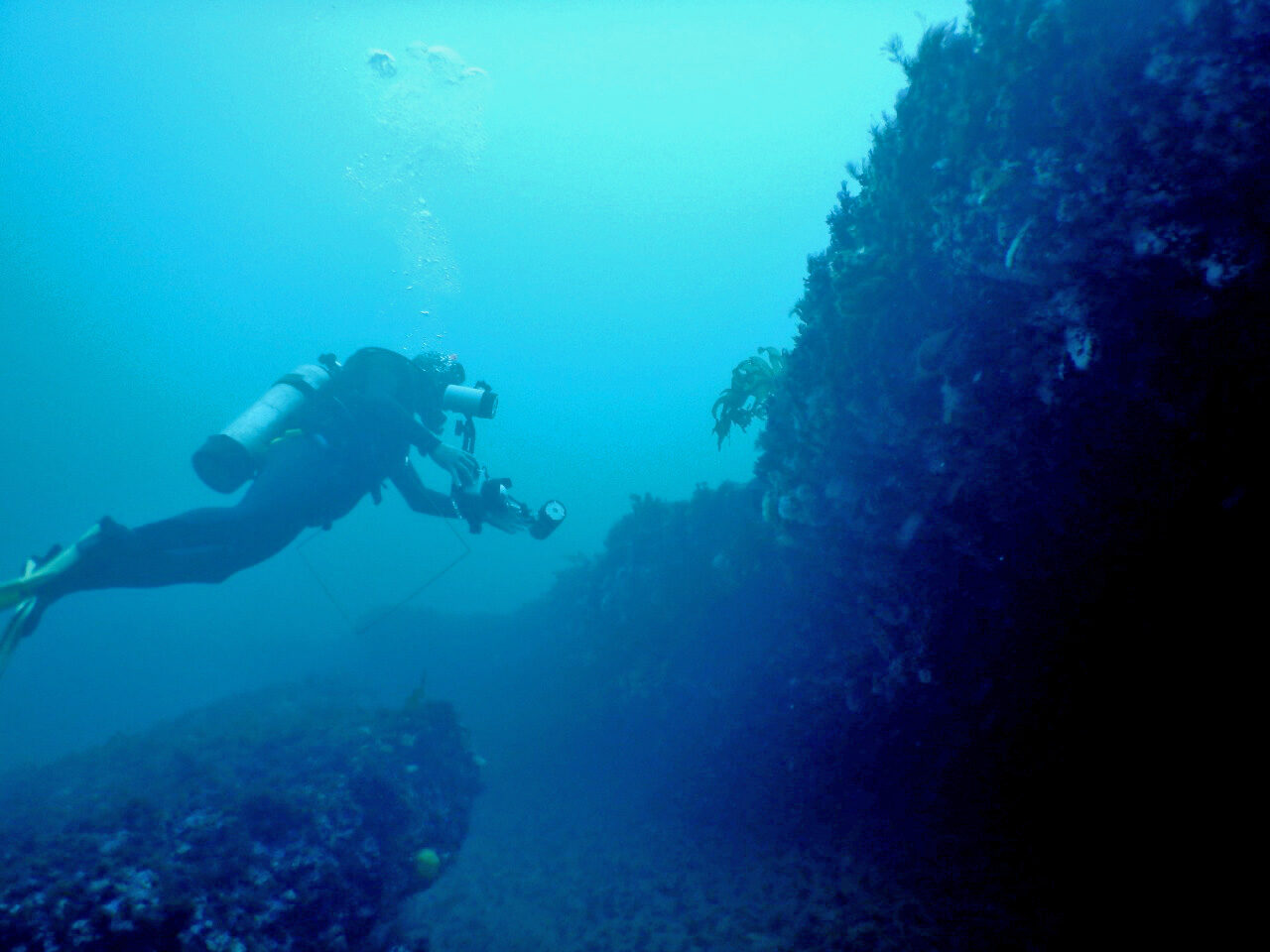
Part of our outreach is carried out together with Proyecto Sub, an Argentine foundation that explores, documents and communicates marine life. Its directors, Martín Brogger and Gregorio Bigatti, are members of LARBIM.
Discover Proyecto Sub